How to Walk to Hilbre Island: The Complete Guide
Walking to Hilbre Island is one of the most rewarding adventures you can experience on the Wirral Peninsula. This tidal island sits at the mouth of the Dee Estuary, accessible only on foot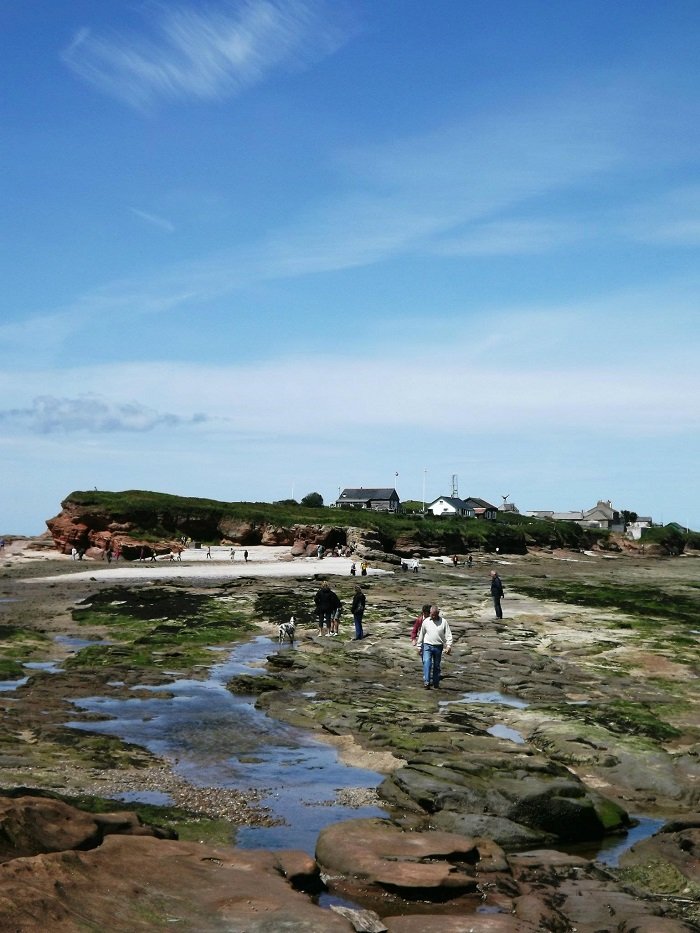 across a vast expanse of sand and mudflats but only if you time it right. Get it wrong, and you could find yourself stranded or, worse, in serious danger.
I’ve made this crossing countless times in all seasons, and this guide will share everything you need to know to do it safely and confidently.
Understanding the Tides: The Golden Rule
This is non-negotiable: you must check the tides before attempting this walk.
Hilbre Island is cut off from the mainland for approximately 5–6 hours during each tidal cycle. The crossing can only be made safely around low tide, and you need to allow enough time to:
- Walk out to the island (approximately 45–60 minutes)
- Spend time exploring
- Return before the tide cuts you off
When to Set Off
The general rule is: Leave West Kirby no earlier than 3 hours before low tide, and begin your return no later than 2.5 hours after low tide.
This gives you a window of roughly 2–3 hours on the island itself. Don’t push it the tide comes in remarkably fast across these flats.
Where to Check Tide Times
- Our website: check Hilbre Island tide times
- BBC Weather tide tables for Liverpool
- Tide apps such as My Tide Times or Tides Near Me
Top tip: Always cross-reference at least two sources. Tide times shift daily, and spring tides (around new and full moons) are more extreme than neap tides.
The Route: Step by Step
The walk begins at West Kirby Marine Lake, on the slipway near Dee Lane. From here, you’ll cross to three islands in succession:
- Little Eye – the smallest, closest island
- Middle Eye – a stepping stone with rocky outcrops
- Hilbre Island – your destination
Detailed Directions
Stage 1: West Kirby to Little Eye
Head out from the slipway towards the visible marker posts. Walk in a north-westerly direction, keeping the red sandstone cliffs of Little Eye in sight. The sand here is generally firm, but avoid darker, wetter patches — these indicate softer mud.
Distance: Approximately 800 metres
Stage 2: Little Eye to Middle Eye
Pass Little Eye on its southern (left) side and continue towards Middle Eye. This section can be muddier, especially after rain. Stick to the firmer sand where others have walked — you’ll often see a faint trail.
Distance: Approximately 400 metres
Stage 3: Middle Eye to Hilbre Island
Keep Middle Eye on your left and head towards the main island. You’ll cross a mixture of sand, shingle, and rock pools. The final approach is straightforward — head for the slipway on the island’s southern tip.
Distance: Approximately 500 metres
Total crossing distance: Roughly 1.5–2 km (1–1.2 miles) each way
What to Wear and Bring
Footwear
This is where most first-timers go wrong. Do not wear flip-flops, sandals, or ordinary trainers.
Your best options:
- Wellies – my top recommendation; essential if it’s been rainy
- Old trainers you don’t mind getting wet – acceptable in dry summer conditions
- Walking boots – fine, but they may get muddy
The ground varies from firm sand to sticky mud to slippery rocks. Sturdy, waterproof footwear makes a huge difference.
Clothing
- Dress in layers — the island is exposed and often windy, even on warm days
- Waterproof jacket (even if the forecast looks clear)
- Hat and sunscreen in summer; warm hat and gloves in winter
What to Pack
- Water and snacks – there are no facilities on Hilbre
- Binoculars – essential for wildlife watching
- Camera – you’ll want it
- Fully charged mobile phone – for emergencies and tide checking
- Small first aid kit – just in case
- Bag for litter – leave no trace
Safety Tips from Experience
1. Never Walk Alone on Your First Visit
Until you’re confident with the route and conditions, go with someone who knows the crossing — or at least another person.
2. Watch for Quicksand and Soft Mud
Genuine quicksand is rare, but deep, soft mud isn’t. If you start sinking more than ankle-deep, back up the way you came and find firmer ground. Don’t panic — just move calmly.
3. Keep an Eye on the Water
The tide doesn’t creep in gently. Channels fill rapidly, and what looks like a small stream can become impassable within minutes. If you see water starting to flow into the channels around you, it’s time to leave.
4. Don’t Rely on Others
Just because someone else is walking out doesn’t mean it’s safe. I’ve seen visitors set off far too late, assuming others knew what they were doing. Check the tides yourself.
5. If You Get Stranded
Stay calm. Move to the highest point of whichever island you’re on and wait. Call 999 and ask for the Coastguard. People do get rescued from Hilbre — there’s no shame in it — but prevention is always better.
Best Times to Visit
For Wildlife
- Autumn & Winter (September–March): Peak birdwatching season. Thousands of waders and wildfowl use the estuary. You may see flocks of knot, dunlin, oystercatchers, and curlew
- Year-round: Grey seals haul out on the West Hoyle sandbank — bring binoculars
For Weather
- Late spring to early autumn (May–September): Warmest, driest conditions make for a more pleasant crossing
- Winter: Dramatic and atmospheric, but dress appropriately
For Solitude
- Weekday mornings: Far fewer visitors than weekends
- Off-peak tides: Very early or late low tides tend to be quieter
What You’ll Discover on Hilbre
Once you arrive, the island rewards you with:
- The Old Lifeboat Station – a beautiful, historic building
- The Telegraph Station – once used for signalling ships
- Hilbre Bird Observatory – one of Britain’s oldest, established in 1957
- Rock pools – teeming with life at low tide
- Uninterrupted views – across to Wales, Liverpool, and the open Irish Sea
- Peace and quiet – no cars, no shops, just nature
Quick Checklist Before You Go
✅ Checked tide times (from two sources)
✅ Allowed 3 hours before low tide to set off
✅ Wearing appropriate footwear (wellies ideal)
✅ Packed water, snacks, phone, binoculars
✅ Told someone your plans
✅ Checked weather forecast
✅ Know the route (west to Little Eye → Middle Eye → Hilbre)
Final Thoughts
Walking to Hilbre Island is a genuine adventure — one of those rare experiences where you feel like you’ve escaped the modern world entirely. But it demands respect. The tides have caught out countless visitors over the years, and the estuary doesn’t forgive poor planning.
Get it right, though, and you’ll understand why this little island has been drawing people for generations. The seals, the birds, the solitude, the views — it’s worth every muddy step.
See you out there.